



Existing Social Pain Point: Noise Pollution
Noise refers to irregular sound vibration from sound sources, which turns into noise pollution once it brings adverse impacts on human beings and surrounding surroundings.
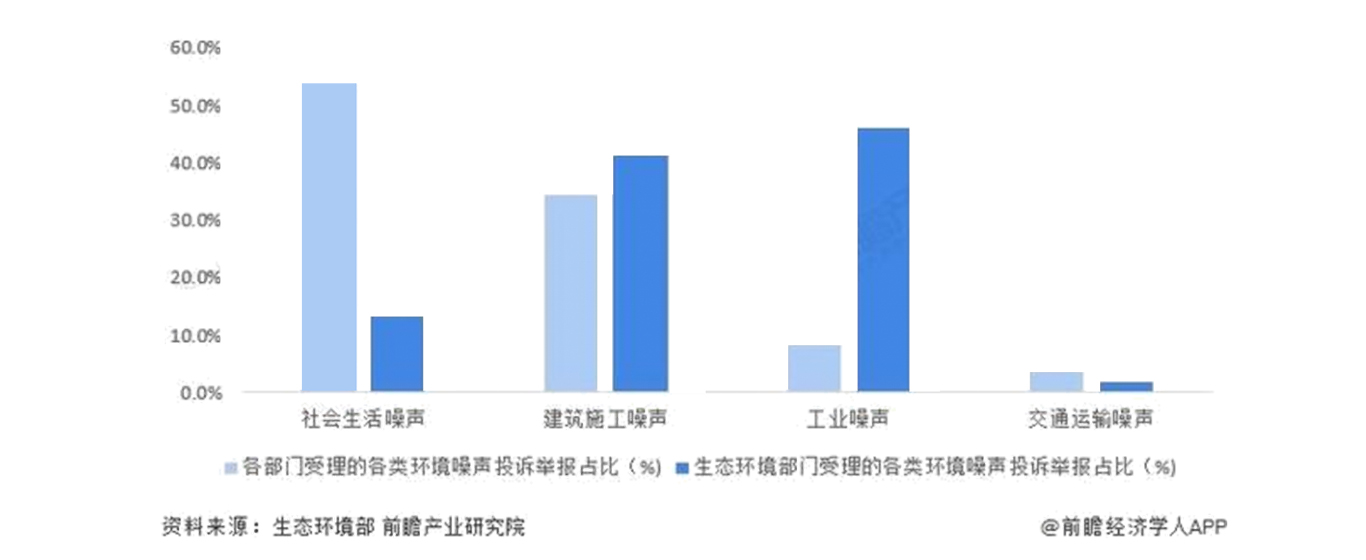
Noise pollution has become increasingly severe in recent years. According to incomplete statistics, authorities including environmental protection, public security and housing & urban-rural development departments received around 2.018 million noise-related complaints nationwide in 2020. Among them, domestic living noise topped the list at 1.083 million cases, accounting for 53.7%, mainly triggered by square dancing and playground activities nearby residential communities.
Relevant Policy Support:
Following the promulgation of the Noise Pollution Prevention and Control Law of the People's Republic of China, 16 authorities led by the Ministry of Ecology and Environment issued the 14th Five-Year Action Plan for Noise Pollution Prevention and Control, tightening source control to curb newly added noise pollution.

Demand for Directional Loudspeaker Broadcasting System:
Schools serve as core venues for student education and development, where a premium acoustic environment is essential. Most modern campuses are adjacent to residential blocks or clustered as education parks, making traditional omnidirectional campus broadcasting suffer from obvious drawbacks:

Core Advantages of Directional Sound Broadcasting System:
☑ No Cross-talk Interference: Sound from directional speakers decays sharply along deflection angles, ensuring adjacent devices run independently without mutual audio crosstalk.
☑ Zero Nuisance to Neighborhood: Adjustable horizontal & vertical sound coverage via on-site calibration. Sound volume drops below 70dB at campus boundary, under 55dB near residential buildings and outside classroom windows, fully complying with national environmental noise criteria.
☑ Independent Audio Output: Single or grouped speaker units work flexibly per energy-saving requirements. All devices activate together for campus-wide announcements; separate units connect to different audio sources for grade-specific PE lessons and extracurricular activities.
Working Principle of Directional Audio:
It achieves precise targeted sound projection without bulky multi-speaker arrays, forming an independent, quiet audio zone confined within designated coverage and avoiding disturbance to peripheral areas.

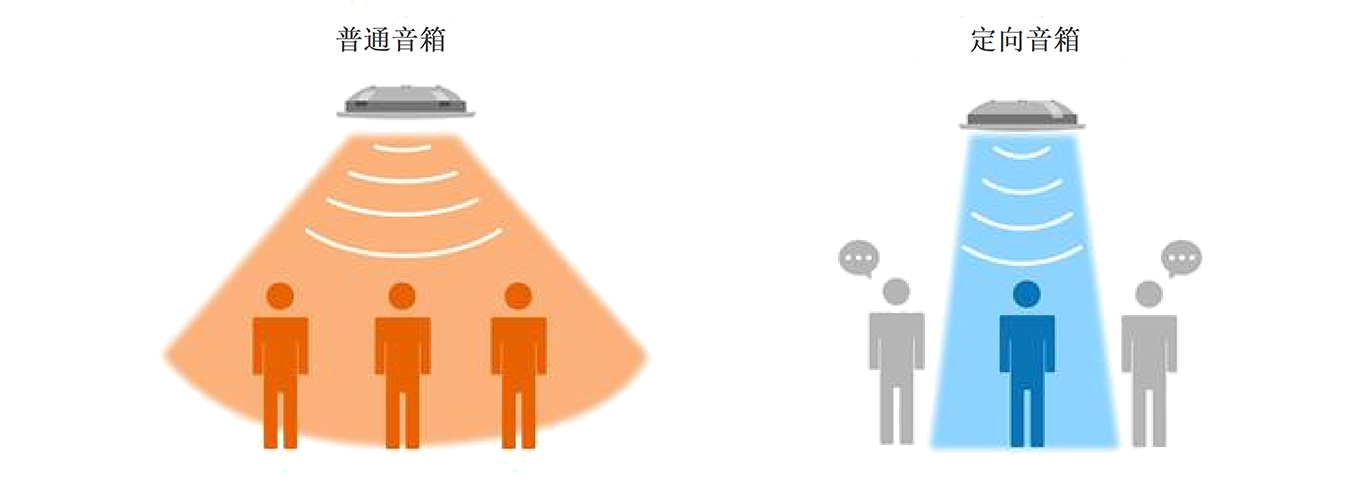
Comparison between Regular Speakers and Directional Speakers:
Unlike conventional omnidirectional loudspeakers, directional speakers confine sound within predefined regions to eliminate ambient noise spillover and improve audio transmission accuracy & efficiency greatly.
II. Application Scenarios:
Recreation Venues: Directional speakers for square dancing effectively resolve neighborhood noise complaints caused by outdoor group activities.

Exhibition & Museums: Directional audio creates isolated sound zones for individual exhibits with zero audio leakage across display areas.

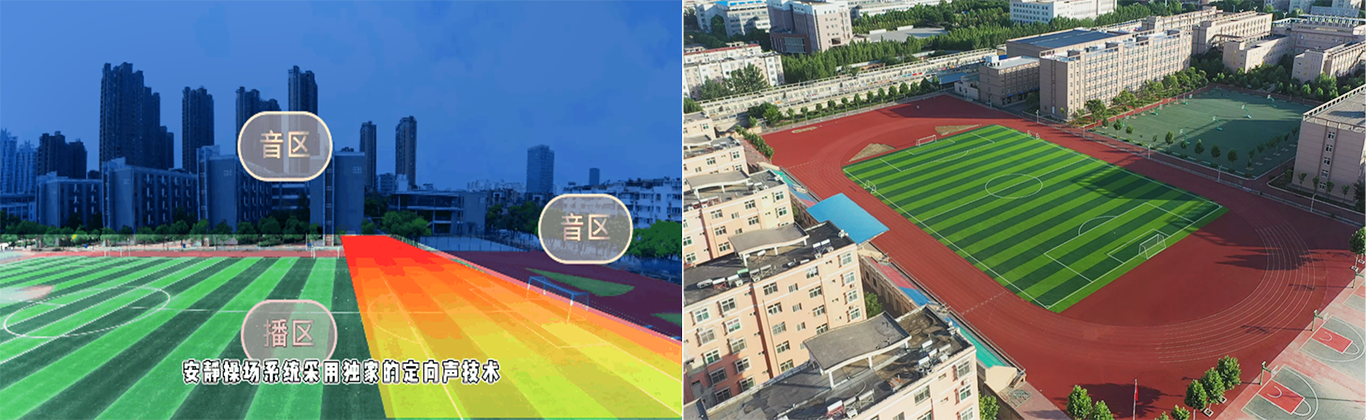
Campus Ground: Precise sound coverage limited to sports fields, preventing broadcast noise from disturbing nearby residential buildings and securing a quiet teaching & activity environment.
Highway & Expressway: High-frequency directional warning speakers deliver focused alert voice to drivers with strong penetration for traffic safety reminders.

Military Border Outposts: Confined sound transmission ensures warning and command information reaches target zones without information leakage; concentrated acoustic output enhances deterrence for border defense security.

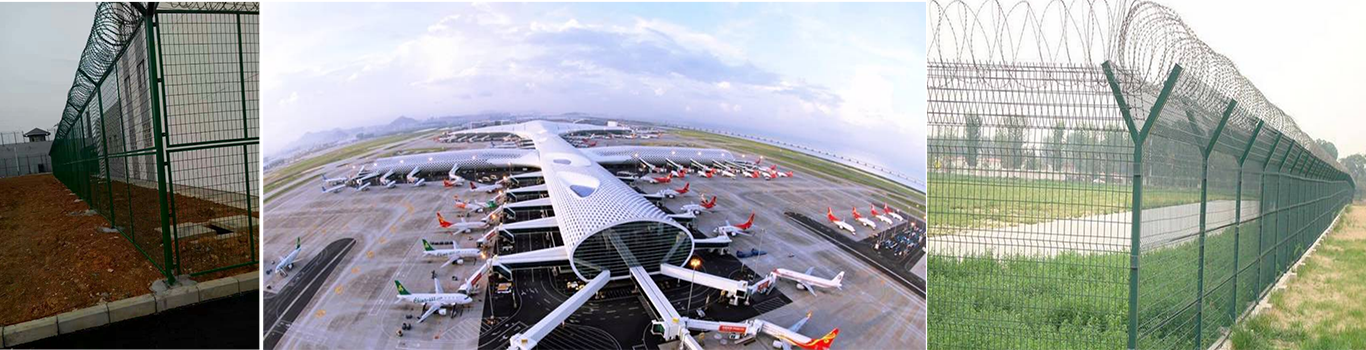
Airport Perimeter: Centralized audio cuts residential noise pollution around airports while boosting broadcast intelligibility for ground staff and passengers to improve operational safety.
Reservoir & Dam: Targeted broadcast delivers emergency notices accurately with reduced noise waste, supporting energy-saving and efficient public announcement deployment.

Harbor & Dock: Directional broadcasting eliminates off-site noise disturbance and raises speech clarity for orderly daily port operation.
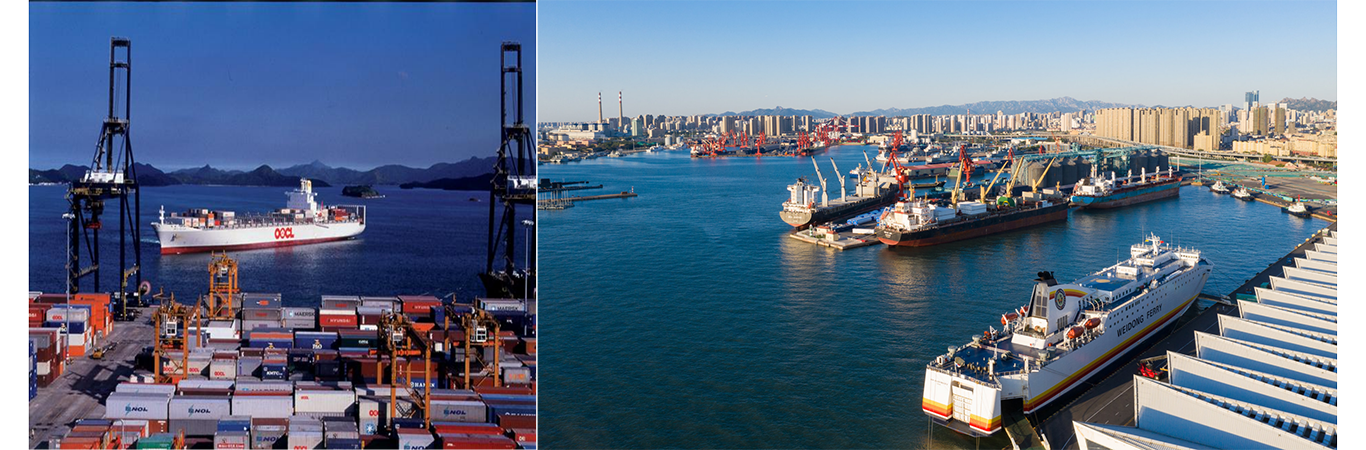
Oceangoing Vessel: Optimized onboard sound distribution improves announcement definition for crews, flexible layout adapts varied ship structures and reduces unnecessary ambient noise.